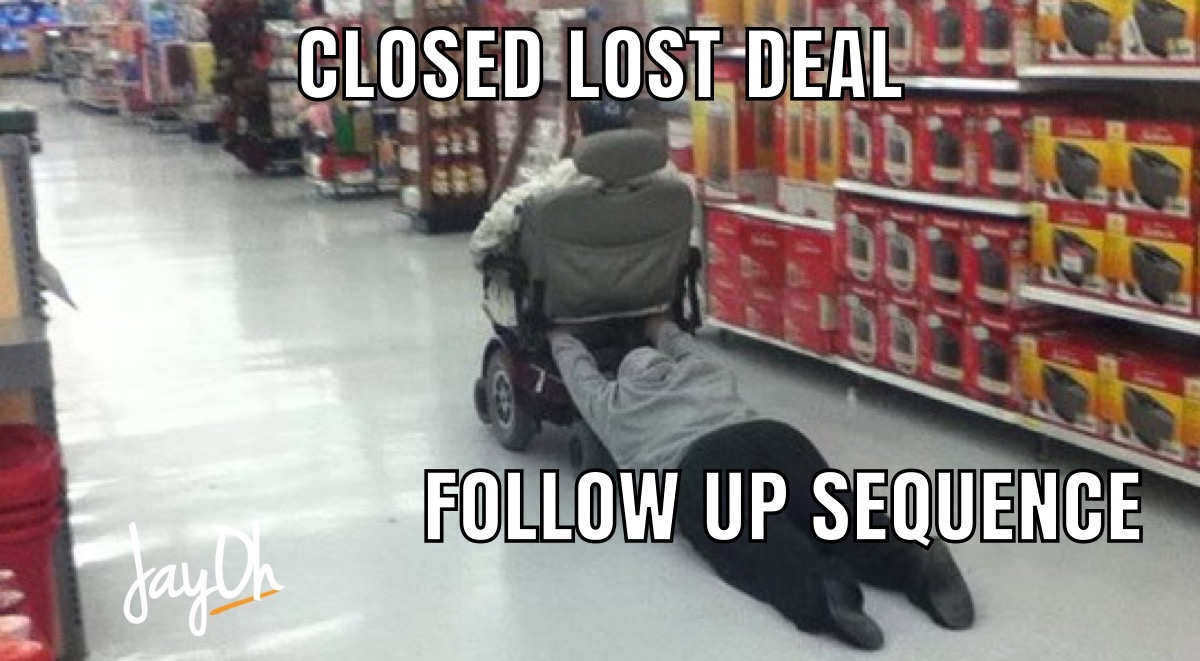
Ever felt the sting of losing a deal due to "bad timing"? What if I told you it doesn't have to be a lost cause?
When a deal is marked as "Closed Lost" due to non-negative reasons, it's actually an opportunity to turn that 'no' into a 'not yet.'
The key lies in a well-crafted follow-up process.
Start by ensuring that every "Closed Lost" deal has a clear closed reason. This step is crucial for understanding why the deal was lost and how you can re-engage in the future.
Set up a nurture sequence with an enrollment trigger based on specific criteria related to deals that are lost and their reasons. This allows you to re-engage with prospects when the timing is better, aligning your outreach with their needs.
Bonus Points: Develop a category system that segments deals into specific nurture paths based on factors like deal size, engagement level, and historical data. You can take this a step further by using NLP algorithms (transcribing tools are all doing this) to analyze communication history, identifying subtle cues that might signal future interest or objections.
Ensure the timing of your re-engagement is spot-on. Incorporate a delay period that fits your industry norms and sales cycle. Consider implementing a dynamic delay algorithm that adjusts based on individual prospect behavior, ensuring your outreach is timely and relevant.
Personalize your nurture content. Tailor high-value content to each prospect's specific pain points, industry, and previous interactions with your company. Your category/segmentation strategy will be invaluable here.
Adopt a multi-channel approach. Don't limit your nurturing to email sequences. Integrate social media listening and engagement tools to stay on top of your lost prospects' activities, ensuring you're present where they are.
Leverage your customer success team. Create a feedback loop where successful customers who initially said 'no' share their stories. Incorporate these testimonials into your nurture sequences.
Develop a 'lost deal revival' dashboard. Track the performance of your re-engagement efforts with metrics like revival rate, time to revival, and incremental revenue from revived deals. Use this data to continuously refine your approach and boost your success rate.
By keeping the conversation going without being pushy, your company stays top-of-mind. When the timing is right, you'll be the first to know. This strategy not only revives potential deals but also strengthens long-term relationships.
Remember, a 'no' is just the beginning of a new opportunity.
#SalesStrategy #CustomerEngagement #RevOps #SalesAutomation #DataDrivenDecisions